
Environmental Sustainability
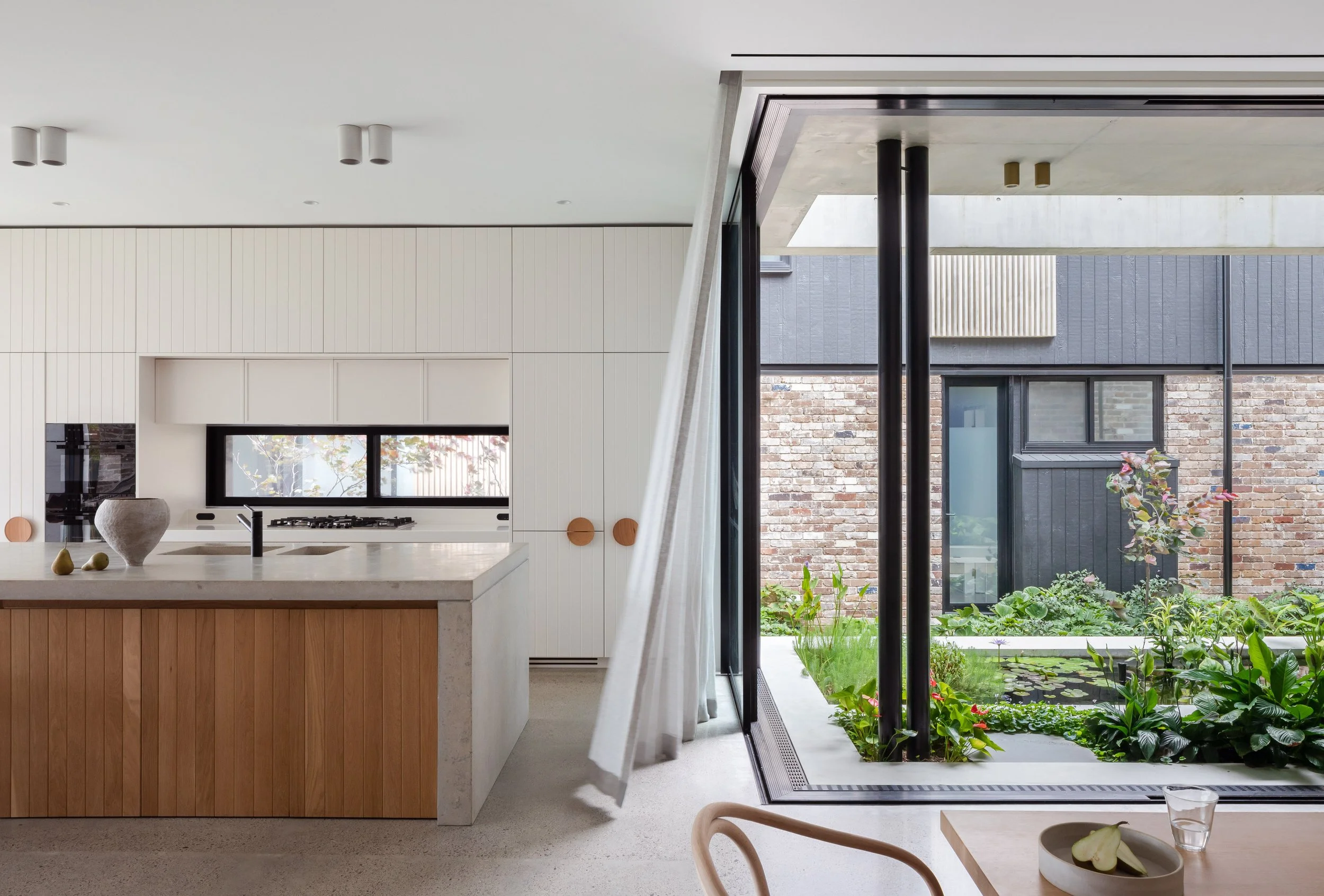
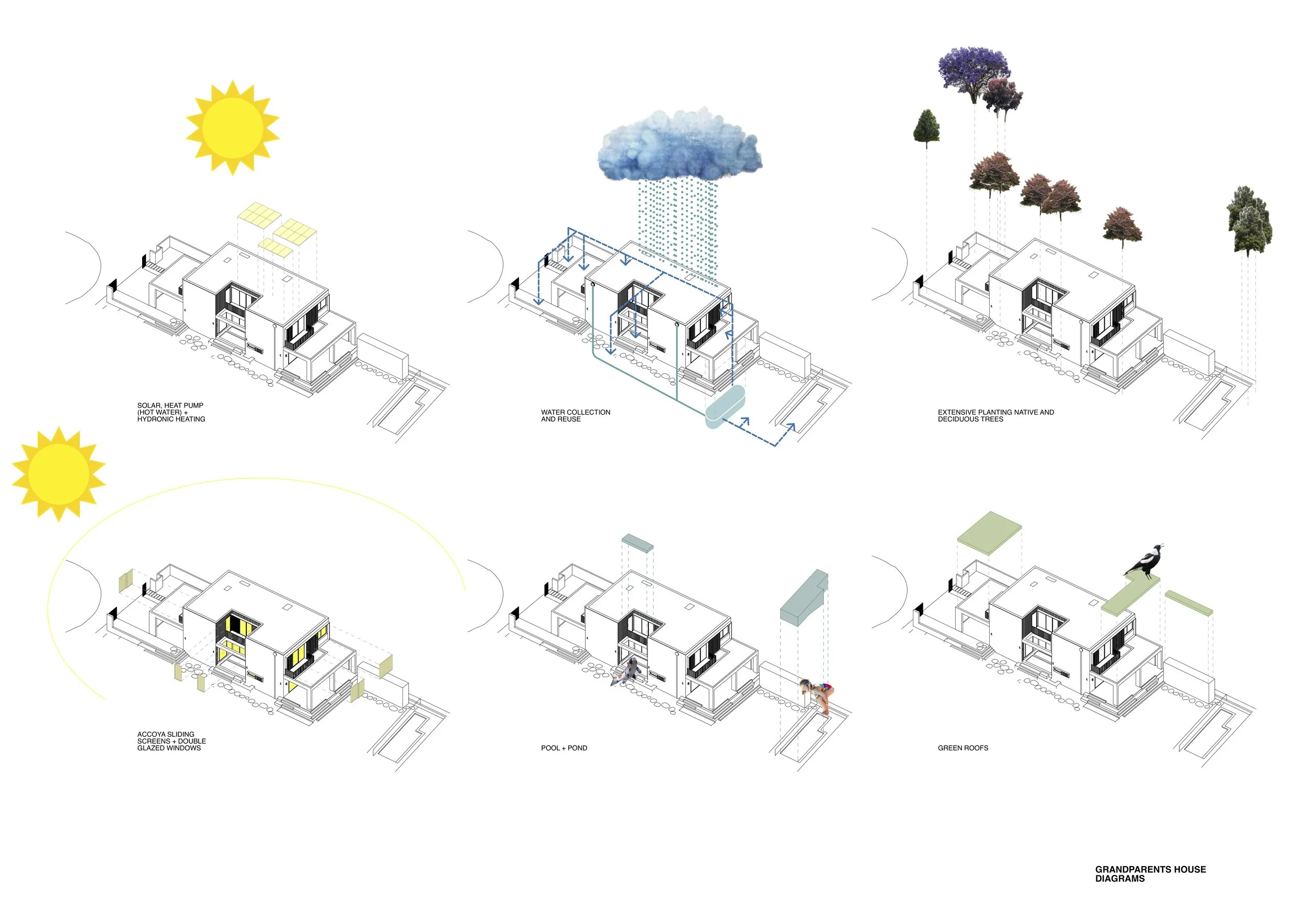
Environmental sustainability begins with a careful response to climate, site and orientation. We seek to maximise natural light, encourage cross ventilation and reduce reliance on mechanical heating and cooling through passive design principles.
Where appropriate, projects may also incorporate renewable energy and resource-efficient systems such as rooftop solar photovoltaic panels, battery storage, heat pump hot water systems, rainwater harvesting and efficient heating and cooling solutions. Hydronic heating may also be considered where it aligns with the needs of the project, providing comfortable and even warmth throughout the home.
As part of our long-term approach to sustainability, we may also consider infrastructure that supports future electrification, including solar energy systems, battery storage, heat pump technologies, EV charging and, where appropriate, three-phase power. Planning for these requirements early can help simplify future upgrades and support the transition to lower-emission living.
We believe these technologies are most effective when combined with strong passive design principles. By first reducing energy demand through orientation, shading, insulation, glazing and natural ventilation, active systems can operate more efficiently and deliver greater long-term environmental and economic benefits.
Healthy indoor environments are an important part of sustainable design. Natural materials, low-VOC finishes and careful attention to indoor air quality contribute to healthier and more comfortable homes.
Water quality is another consideration for many clients. Depending on project requirements, whole-house filtration systems may be incorporated to reduce chlorine, sediment and other contaminants throughout the home. Reverse osmosis drinking water systems can further reduce impurities, including microplastics, while optional remineralisation stages can restore beneficial minerals and improve taste after filtration.
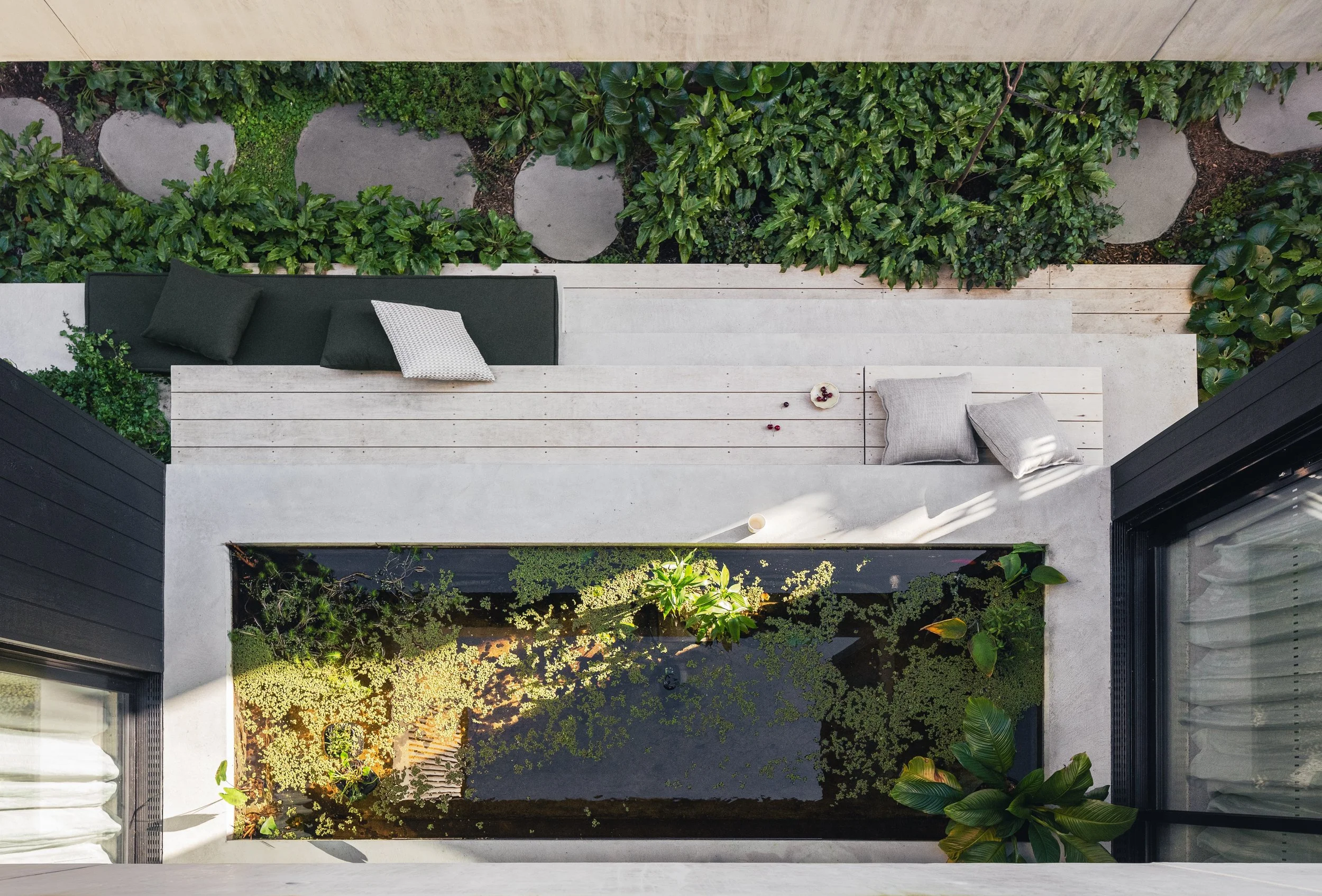
Landscape design also plays an important role in environmental sustainability. Trees and planting can provide seasonal shade, improve microclimates, support biodiversity and contribute to healthier outdoor environments. In Sydney, thoughtful landscape design can assist in reducing urban heat island effects, managing stormwater and creating more resilient gardens suited to local conditions. Plant selection is therefore considered not only for its visual qualities but also for its environmental performance, contribution to habitat and connection to place.
Environmental sustainability is not achieved through a single product or technology, but through a considered and integrated approach to design that balances performance, comfort and long-term environmental responsibility.
Social Sustainability
Homes play an important role in supporting wellbeing, connection and a sense of belonging.
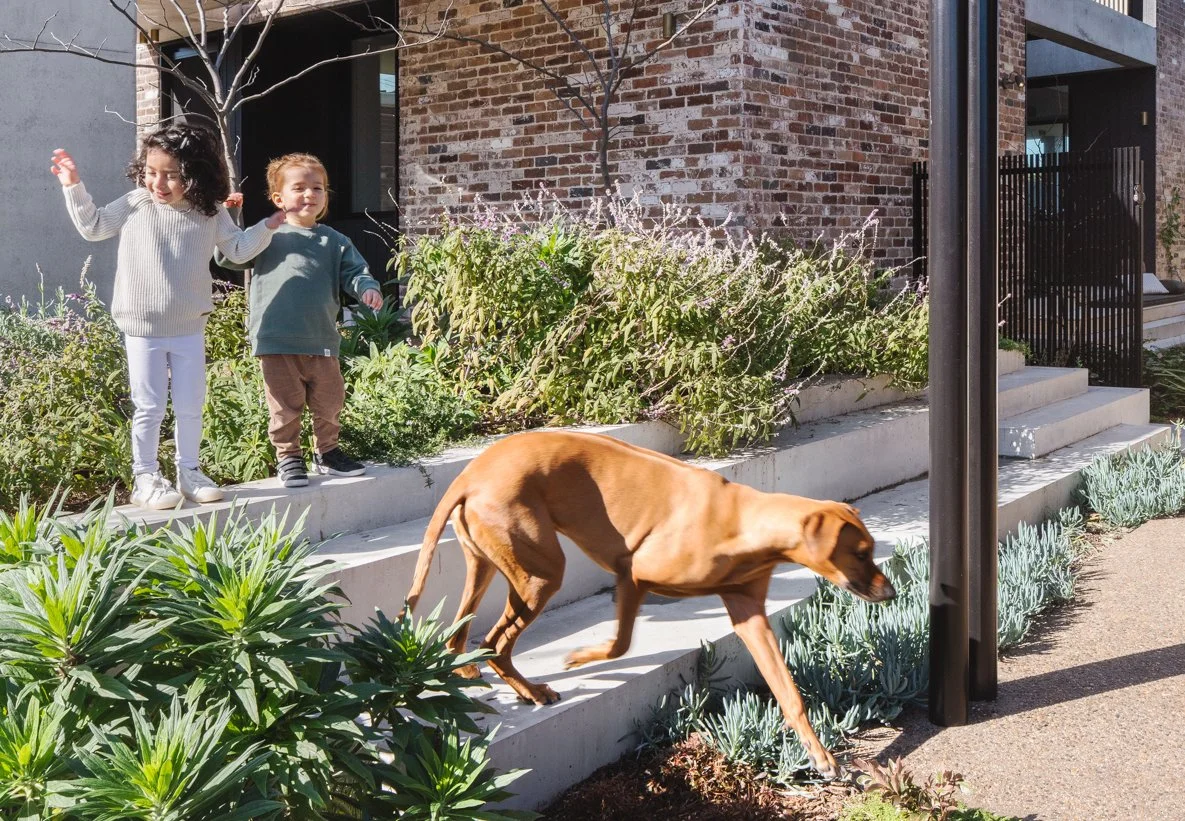
Social sustainability considers how a home contributes to everyday life, family relationships and connection to community. Access to natural light, landscape, outdoor spaces and views can enhance physical and mental wellbeing while fostering a stronger connection to the surrounding environment.
For many families, housing needs extend beyond a single generation. Thoughtful residential design can support relationships between family members while accommodating the realities of ageing parents, adult children and changing household structures. These considerations are becoming increasingly important as housing affordability, demographic change and longer life expectancy reshape the way people live.
We also consider the relationship between people and place. Homes that contribute positively to established neighbourhoods, respect local character, support walkability and encourage long-term connections to community can play an important role in creating socially sustainable environments.
Ultimately, a sustainable home is one that continues to support and enrich the lives of those who live within it.
Materiality, Longevity and Emotional Sustainability
We believe materials should be evaluated through a broader lens that includes durability, maintenance requirements, longevity and the experience they create for occupants over time. The true cost of a material is often measured over decades rather than at the point of purchase.
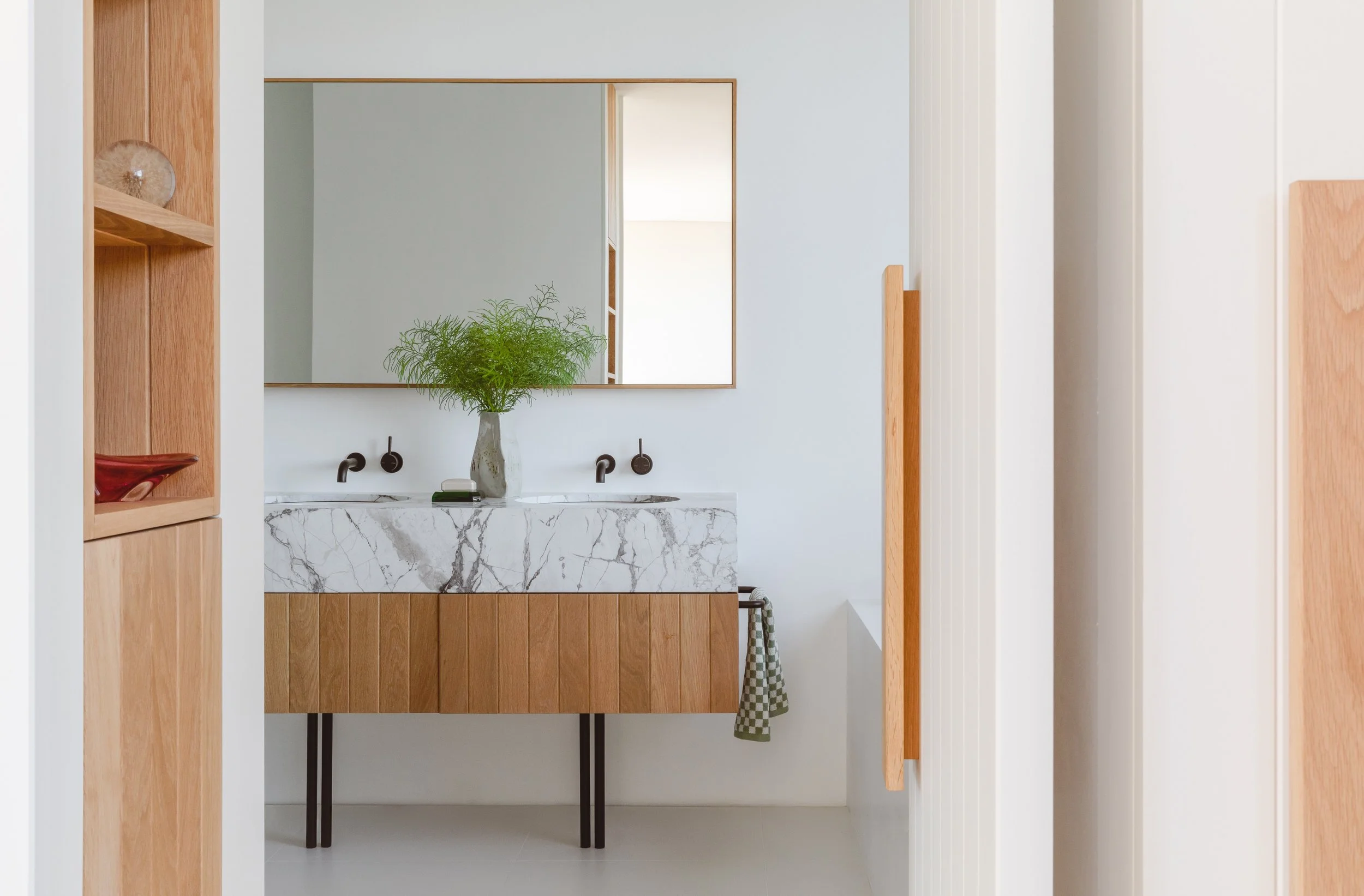
Natural materials such as timber, stone and other durable finishes often age gracefully, developing character and richness through use. Well-crafted materials and details can create a sense of warmth, comfort and permanence that contributes to the long-term enjoyment of a home.
Interior design also plays an important role in sustainability. Material selections, joinery, lighting, fixtures, fittings and furnishings all contribute to the environmental performance, durability and long-term enjoyment of a home.
We seek to create interiors that are timeless, functional and capable of ageing gracefully. Careful consideration is given to the longevity of materials, the quality of craftsmanship and the suitability of products for their intended use. By selecting materials and finishes that are durable, repairable and enduring, it is often possible to reduce the need for premature replacement and renovation.
Interior environments should do more than simply perform a function. Through the careful selection of materials, light, colour and spatial relationships, they can create settings capable of supporting comfort, connection, reflection, family life and everyday rituals. These qualities contribute to homes that remain valued, lived in and enjoyed over time.
The emotional impact of a home should not be underestimated. Spaces that are loved, cared for and valued are more likely to be retained, maintained and enjoyed for many years. In this way, emotional sustainability can be just as important as environmental performance.
Memories and personal histories can also play an important role in creating meaningful homes. Material selections, planting choices and design details may draw on places, experiences or family traditions that hold significance for our clients. This may include the retention of an existing tree, the introduction of planting reminiscent of a childhood garden, the use of familiar materials or colours, or the incorporation of meaningful objects and furnishings within a new design.
These layers of memory help create homes that feel deeply personal and connected to their occupants. They contribute to a sense of continuity between past and present, strengthening attachment to place and fostering a feeling of belonging that cannot be achieved through aesthetics alone.
By considering lifecycle cost rather than initial purchase price alone, it is often possible to make decisions that deliver greater long-term value while reducing waste associated with premature replacement and renovation. Materials that are durable, timeless and emotionally resonant are often retained and appreciated for longer, contributing to both environmental and emotional sustainability.
Our STUDIO aproach
We believe sustainable design is about more than reducing environmental impact. It is about creating homes that perform well, support wellbeing and remain valued over time.
By balancing environmental responsibility, social sustainability, material longevity and emotional connection, we seek to create homes that are resilient, enduring and deeply connected to the people and places they serve.
For us, sustainability is not a checklist of technologies or products. It is a holistic design approach that considers how people live, how homes perform and how architecture can contribute positively to both present and future generations.
Frequently asked questions
What does sustainable residential design mean?
Sustainable residential design considers the environmental, social and long-term impacts of a home. It seeks to reduce energy and resource consumption while creating healthy, comfortable and enduring places to live.
In Sydney, sustainability is increasingly shaped by planning and regulatory requirements, including BASIX and energy efficiency standards. However, we believe sustainability extends beyond compliance. It also considers how a home supports wellbeing, fosters connection to place and remains valued over time.
What makes a home sustainable?
A sustainable home responds thoughtfully to its climate, site, landscape and occupants. It is comfortable, energy efficient, durable and designed to support the wellbeing of those who live within it.
This may include passive solar design, natural ventilation, water conservation, responsible material selection and efficient building systems. Equally important is the relationship between the home and its landscape. Carefully considered gardens, tree planting and outdoor spaces can provide shade, support biodiversity, improve microclimates, assist with stormwater management and strengthen connections to nature.
In Sydney, landscape design can also help mitigate urban heat island effects and create more resilient outdoor environments suited to local climatic conditions.
Plant selection also plays an important role. Wherever possible, we seek to create landscapes that are appropriate to the local environment and meaningful to the people who live there. In some projects, this may involve retaining significant trees or incorporating planting that reflects personal memories, family traditions or a connection to place.
Ultimately, a sustainable home is more than an energy-efficient building. It is a carefully considered environment that supports wellbeing, respects natural systems and remains valued and cared for over time.
Is sustainable design more expensive?
Not necessarily. Some sustainability measures such as solar panels and water filtration may increase upfront costs, while others can be achieved through thoughtful design rather than additional technology.
Careful orientation, passive solar design, natural ventilation and appropriate shading can significantly improve comfort and energy performance without necessarily increasing construction costs. While some materials and systems may require greater initial investment, they can often provide long-term value through durability, reduced maintenance, lower operating costs and better quality of living.
What is passive design?
Passive design uses the natural characteristics of a site and climate to improve comfort and reduce energy consumption. In Sydney’s temperate climate, this often involves careful orientation, shading, cross ventilation, insulation and glazing selection.
By responding appropriately to sun, prevailing breezes and seasonal conditions, passive design can reduce reliance on artificial heating and cooling while creating more comfortable and enjoyable living environments.
What sustainability measures do you typically consider in a residential project?
Every project is different; however, sustainability considerations may include passive solar design, natural ventilation, insulation and glazing performance, rainwater harvesting, solar power systems, battery storage, heat pump hot water systems, efficient heating and cooling, hydronic heating, healthy materials, low-VOC finishes, water filtration, durable material selections and landscaping with appropriate plant selections.
We also consider broader aspects of sustainability including wellbeing, connection to landscape, multigenerational living, longevity and the long-term value a home provides to its occupants and community.
Should I install solar panels and battery storage?
For many Sydney homes, solar panel systems can make a valuable contribution to reducing operational energy use and ongoing electricity costs. Battery storage may also be beneficial where households wish to increase energy independence, make greater use of solar energy generated on-site or provide backup power during outages.
The suitability of solar and battery systems will depend on factors such as roof orientation, shading, household energy use and project budget. We generally consider these technologies as part of a broader sustainability strategy that also includes passive design, energy efficiency, water management and durable material selection.
Should I plan for electric vehicle charging when building or renovating?
For many households, it is worthwhile considering electric vehicle charging infrastructure during the design stage, even if an electric vehicle is not currently owned.
Early planning can allow for appropriate electrical capacity, charger locations and cable pathways to be incorporated more efficiently than retrofitting later. Depending on the project, this may also include consideration of three-phase power, which can provide greater capacity for future technologies such as EV charging, larger solar installations, battery storage, heat pump hot water systems and all-electric homes.
In some cases, EV charging systems can be integrated with rooftop solar photovoltaic systems and battery storage, allowing vehicles to be charged using renewable energy generated on-site.
The most appropriate solution will depend on household needs, available electrical capacity and project budget. We generally encourage clients to consider future requirements as part of a broader long-term sustainability strategy.
What are heat pump hot water systems?
Heat pump hot water systems use electricity to transfer heat from the surrounding air to heat water, making them significantly more energy efficient than conventional electric hot water systems. When combined with solar power, they can substantially reduce household energy consumption and greenhouse gas emissions.
Unlike traditional electric or gas hot water systems, heat pump systems typically require both a storage tank and an external heat pump unit. As a result, they generally require more space and careful consideration of location, access, acoustic performance and visual impact. These requirements are often best considered early in the design process to ensure they are integrated effectively within the overall design of the home.
The suitability of a heat pump system will depend on the specific requirements of the project, available space, household usage patterns and broader sustainability objectives.
What is hydronic heating?
Hydronic heating is a heating system that uses warm water circulated through a network of pipes to provide comfortable, even heat throughout a home. The water is heated by a heat source such as a heat pump, electric boiler or gas boiler and distributed through the house via pipework and control systems.
Heat may be delivered through underfloor heating pipes concealed within the floor structure or through wall-mounted hydronic radiators located within individual rooms. Underfloor systems are invisible and provide gentle radiant warmth, while radiators can offer greater flexibility and easier access for maintenance.
Hydronic heating requires dedicated infrastructure including pipework, manifolds, circulation pumps, thermostats and a heat source. Depending on the system selected, a storage tank may also be required. These components require space and are best considered early in the design process to ensure they are integrated effectively within the home.
When combined with good passive design, insulation and efficient heat sources such as heat pumps, hydronic heating can provide a comfortable and energy-efficient heating solution. As with all building systems, we seek to balance environmental performance, practicality, aesthetics and long-term value.
Is hydronic heating a sustainable option?
Hydronic heating can be an efficient and comfortable way to heat a home when designed appropriately. Unlike forced-air systems, hydronic heating provides gentle, even warmth and can contribute to improved thermal comfort.
Its environmental performance depends on the energy source, insulation levels, building performance and the overall design of the home. We consider heating and cooling systems as part of a broader sustainability strategy that prioritises passive design, energy efficiency and long-term comfort.
What is social sustainability in architecture?
Social sustainability considers how architecture supports people, relationships and communities.
In residential design, this may include creating homes that support family life, foster connection to landscape and outdoor spaces, provide opportunities for privacy and retreat, and contribute positively to established neighbourhoods.
Social sustainability also recognises the importance of housing that supports multigenerational living, ageing in place and long-term connection to community.
How can architecture support multigenerational living?
Many families are seeking homes that can accommodate ageing parents, adult children or extended family members while maintaining comfort and independence.
Thoughtful residential design can support these living arrangements through careful planning, privacy, accessibility and strong connections between indoor and outdoor spaces. The goal is not simply to accommodate additional occupants, but to create homes that support family relationships and remain enjoyable places to live for all generations.
What makes a healthy home?
A healthy home supports physical and mental wellbeing through access to natural light, fresh air, comfortable temperatures and a strong connection to landscape.
Material selection also plays an important role. Low-VOC paints, natural materials and good indoor air quality can contribute to healthier living environments. Water quality is another consideration for some clients, with filtration systems increasingly being incorporated into both new homes and renovations.
Can water filtration systems be incorporated into a new home?
Yes. Water filtration systems can often be integrated into both new homes and renovations.
Depending on the needs of the household, this may include whole-house filtration systems that reduce chlorine, sediment and other contaminants throughout the home, or reverse osmosis systems that further purify drinking water and can assist in reducing microplastics and other impurities. Some systems also include remineralisation stages that restore beneficial minerals and improve taste following filtration.
These systems can be considered early in the design process to ensure they are integrated effectively within the home.
Why does material selection matter in sustainable design?
Material selection influences both environmental performance and the experience of living within a home.
We consider durability, maintenance requirements, lifespan, embodied environmental impacts and long-term value alongside appearance and cost. Materials that age gracefully and remain valued over time are often retained for longer, reducing waste associated with premature replacement or renovation.
Material choices can also influence wellbeing. Texture, warmth, natural variation and craftsmanship contribute to the atmosphere of a home and the emotional connection people develop with the places they inhabit.
What makes a home sustainable over the long term?
Long-term sustainability is about more than energy efficiency. It considers how well a home continues to serve its occupants, how it ages and how it contributes to its surroundings over time.
Durable materials, thoughtful planning, connection to landscape and a sense of belonging can all contribute to longevity. Meaningful material selections, retained landscape elements and references to personal history can strengthen attachment to place and encourage homes to be cared for and retained.
For us, sustainability is ultimately about creating homes that perform well environmentally, support wellbeing and remain valued across generations.
What is biophilic design?
Biophilic design is an approach that strengthens the connection between people and nature within the built environment. This may include natural light, garden connections, ventilation, natural materials, views, planting and outdoor living spaces. Research suggests these elements can support wellbeing, comfort and overall quality of life.
Does biophilic design improve wellbeing?
While every person’s experience is different, studies have linked access to natural light, views of nature, ventilation and green space with reduced stress, improved comfort and enhanced wellbeing. Biophilic design aims to bring these qualities into everyday living environments.
Do you incorporate biophilic design principles?
Yes. While every project is different, we often incorporate principles associated with biophilic design, including access to natural light, cross ventilation, connections to landscape, natural materials and carefully framed views.
Can biophilic design work on small urban sites?
Absolutely. Even on compact sites, thoughtful design can improve access to daylight, natural ventilation, greenery and outdoor space. Courtyards, skylights, planting and carefully positioned windows can all strengthen a home’s connection to nature.